
 "Excellent service and fast delivery"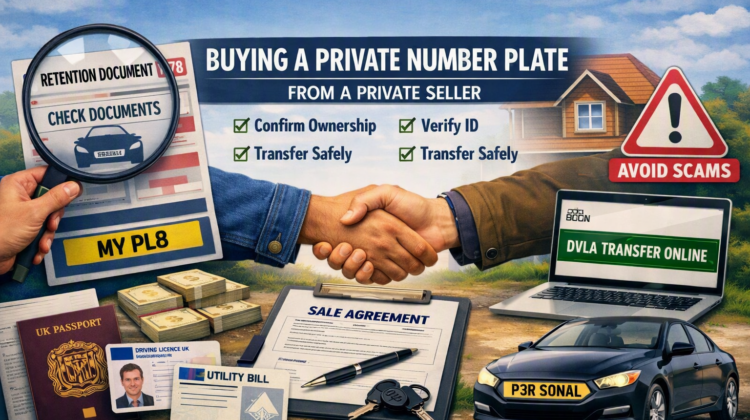
Buying a private number plate directly from a private seller can be a smart way to secure a great deal, avoid auction fees, and sometimes uncover combinations that never make it to mainstream marketplaces. But it also comes with more responsibility. Unlike buying through a dealer or a specialist broker, you are the one who must verify the paperwork, confirm ownership, and ensure the transfer will go smoothly.
This guide walks you through every essential check to make before you hand over any money. It’s written for real‑world buyers who want clarity, confidence, and a practical checklist they can follow step‑by‑step.
The Core Principle: Ownership and Entitlement
The single most important thing when buying a private plate from a private seller is confirming that the seller is genuinely entitled to transfer the registration. Everything else flows from this.
There are two ways a private plate can legally exist:
- On a vehicle
- On a retention certificate (V778) or assignment certificate (V750)
Your job is to confirm which situation applies and verify the documents match the seller.
1. Confirm the Plate’s Legal Status
Before you even discuss payment, ask the seller whether the registration is currently:
- Assigned to a vehicle
- Held on a retention certificate
- Held on an assignment certificate
Each scenario requires different checks.
If the Plate Is Assigned to a Vehicle
You need to confirm:
- The seller is the registered keeper
- The vehicle exists and is correctly recorded with DVLA
- The plate is eligible for transfer
Ask the seller for the V5C logbook. Check:
- The registration number matches
- The VIN matches the vehicle
- The keeper’s name and address match the seller
Then use the DVLA vehicle enquiry service to confirm MOT and tax status. A vehicle must be taxed or SORN and have a valid MOT to transfer a plate.
If the Plate Is on a Retention Certificate (V778)
This is the simplest scenario—if the certificate is genuine.
Ask for a photo or scan of the V778 and check:
- The certificate number
- The grantee’s name (this must match the seller)
- The expiry date
- Any nominee details
If the seller is not the grantee, they cannot legally transfer the plate to you unless they add you as the nominee first.
If the Plate Is on an Assignment Certificate (V750)
This is usually issued when a plate is first purchased from DVLA or a dealer. The checks are the same as for a V778: certificate number, grantee name, expiry date, and nominee details.
2. Check the Plate’s Transfer Eligibility
Not all plates can be transferred freely. Before paying, confirm:
- Age restrictions – You cannot make a vehicle appear newer than it is.
- Format restrictions – Some older or dateless plates have special rules.
- Vehicle restrictions – Q‑plates cannot receive private registrations.
If you’re unsure, RegPlates.com has a clear guide on transfer rules. You can read more in this internal blog on first‑time buyer mistakes and this internal guide on valuing a private plate.
3. Verify the Seller’s Identity
When buying privately, you must be confident the person you’re dealing with is legitimate.
Ask for:
- A photo of their driving licence or passport
- A utility bill showing the same name and address
- A selfie holding the ID (common in online private sales)
If they refuse, walk away. Genuine sellers understand the need for buyer protection.
4. Check for Signs of Plate Fraud
Private plate fraud is rare, but it does happen. Red flags include:
- The seller cannot produce the V5C, V778, or V750
- The certificate looks altered or incomplete
- The seller insists on quick payment
- The price is far below market value
- The seller avoids answering questions
- The seller refuses a video call or meeting
If anything feels off, trust your instincts.
For wider fraud awareness, the UK government’s guidance on avoiding vehicle‑related scams is extremely useful. You can read it here: GOV.UK – Avoiding vehicle fraud
5. Confirm the Certificate Expiry Date
Retention and assignment certificates expire. If the expiry date is close, ask the seller to renew it before you pay.
If the certificate has already expired, the plate may no longer exist. DVLA does not guarantee reinstatement.
6. Check Nominee Details
If the certificate lists a nominee who is not you, the seller must update it before you can assign the plate. This is a simple DVLA process, but only the grantee can do it.
Never pay until the nominee section is correct.
7. Agree the Transfer Method
There are two safe ways to complete a private sale:
Option A: Transfer the Plate Before Payment
This is the safest method for buyers. The seller completes the DVLA transfer, and once you receive confirmation, you pay.
Option B: Pay First, Then Transfer
This is common when buying from reputable private sellers, but only safe if:
- You have verified all documents
- You have verified the seller’s identity
- You have a written agreement
- You use a secure payment method
Avoid bank transfers unless you fully trust the seller.
8. Use a Written Sale Agreement
A simple written agreement protects both parties. It should include:
- The registration number
- The agreed price
- The seller’s full details
- The buyer’s full details
- The certificate number (if applicable)
- The transfer method
- The date and signatures
This document becomes proof of the transaction if anything goes wrong.
9. Keep Screenshots and Records
Save:
- All messages
- Photos of documents
- Payment receipts
- The sale agreement
- DVLA confirmation emails
If you ever need to prove ownership or challenge fraud, these records are invaluable.
10. Complete the DVLA Transfer
Once payment is made and documents are verified, the transfer process is straightforward.
If the plate is on a certificate, you can assign it online in minutes.
If the plate is on a vehicle, the seller must initiate the transfer using the V5C.
You will receive DVLA confirmation by email or post.
Buying a private plate from a private seller can be a smooth, safe, and rewarding experience—if you follow the checks above. Most private sellers are genuine enthusiasts who simply want to pass on a plate they no longer need. But the responsibility for due diligence rests with you.
Take your time, verify everything, and don’t be pressured into rushing. A private plate is a long‑term investment in your vehicle’s identity, and it deserves careful handling.

Jon Cherry is a Director of leading personalised number plate dealer Regplates.com. Jon has over 25 years industry experience handling some of the most expensive plates ever sold with many high profile and celebrity clients. Active since 1991 in the number plate industry, Jon is currently Chairman of the Cherished Numbers Guild, a trade body representing number plate dealers in the UK. Jon has written many articles on the industry and insight into the future of numberplates and the market as a whole.