
 "Excellent service and fast delivery"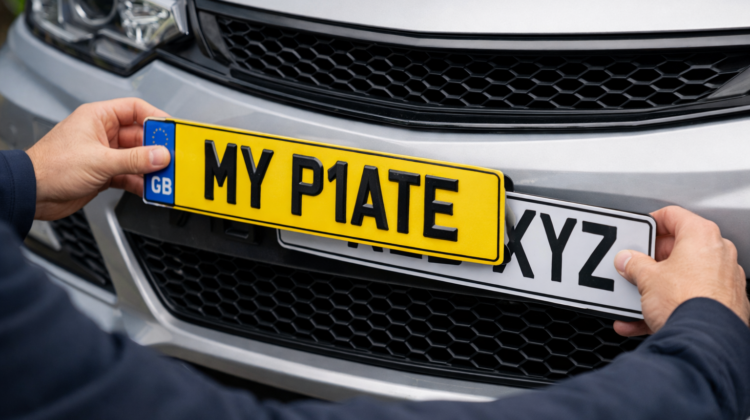
Selling a car is usually straightforward — but selling a car that currently wears a private number plate adds a layer of admin that you absolutely must get right. Whether you want to keep the plate, sell the plate separately, or include it with the car, the DVLA has strict rules that determine what you can and can’t do before the vehicle changes hands.
This guide walks you through everything you need to complete before you hand over the keys, helping you avoid the common pitfalls that lead to delays, lost rights to a plate, or even accidental misuse of your registration.
1. Decide What You’re Doing With the Private Plate
Before you list the car for sale, you need to make a clear decision:
- Are you keeping the plate for your next vehicle?
- Are you selling the plate separately?
- Are you including the plate with the car sale?
Each option requires a different DVLA process.
If you want to keep the plate
You must remove the plate from the car and place it on retention before selling. According to Motorway, you must ensure the car is fully up to date with DVLA records, taxed or on SORN, and able to move under its own power before applying for retention. Once approved, the DVLA issues a V778 retention certificate, which proves your right to the registration independent of any vehicle.
If you want to sell the plate separately
You can sell a private plate either through a dealer or privately. GOV.UK warns never to share a photo or scan of your V750 or V778, as someone else could use it to assign the plate to their own vehicle.
If you want the plate to stay with the car
You must assign the plate to the vehicle officially before the sale. The DVLA will then issue a replacement V5C showing the private registration.
2. Remove or Transfer the Plate Before You Advertise the Car
If you intend to keep the plate, do not advertise the car with the private registration still attached. This is one of the most common mistakes sellers make.
Our advice emphasises that you must complete the retention or transfer process before selling the car — otherwise you risk losing the right to the plate entirely.
Why timing matters
- Once the car is sold, the new keeper becomes the legal owner of the registration unless you have already removed it.
- If the car is scrapped or written off before you remove the plate, you lose it permanently.
- Dealers may refuse to process a sale until the registration issue is resolved.
3. Apply for Retention or Transfer Through the DVLA
The DVLA allows you to remove or transfer a private plate online or by post.
Online
- The process usually completes immediately.
- You’ll need the vehicle’s V5C and your V750/V778 certificate if transferring to another vehicle.
- Once approved, the DVLA issues a new V5C for the donor vehicle showing its original age‑related registration.
By post
- Send the V5C and the completed V750/V778 to DVLA Personalised Registrations, Swansea.
- Processing takes longer, so allow extra time before selling.
Fees
- Retention currently costs £80 (as of the Motorway guide).
4. Fit the Correct Plates Back Onto the Car
Once the DVLA confirms the plate has been removed or transferred, the car will revert to its original age‑related registration.
You must then:
- Fit physical plates showing the original registration
- Ensure the plates meet legal display standards
- Wait for the updated V5C to arrive before completing the sale
Driving the car with the wrong plates is illegal, even if the DVLA process has completed.
5. Update Your Advert and Paperwork
If you removed the private plate, update:
- Your online listings
- Your sales contract
- Any photos
- Insurance details
- Service records (if they reference the old registration)
This avoids confusion and prevents buyers from assuming the private plate is included.
6. If You’re Including the Plate With the Car
If the buyer is purchasing the car with the private plate:
- You must assign the plate to the vehicle before the sale.
- The DVLA will issue a new V5C showing the private registration.
- The buyer becomes the legal owner of the plate once the V5C is in their name.
GOV.UK confirms that the number must be assigned to the buyer’s vehicle before they can use it.
7. Avoid Common Pitfalls
Don’t hand over the V750 or V778
These documents allow someone to assign the plate to any vehicle. GOV.UK explicitly warns not to share scans or photos.
Don’t assume dealers will handle it
Some will, but many won’t. Motorway notes that you must complete the retention process before selling to avoid losing the plate.
Don’t delay the DVLA process
Postal applications can take time. If you’re in a hurry to sell, apply online.
8. Should You Sell the Plate Separately?
If your private plate has value, selling it separately may earn you more than including it with the car.
If you do resell:
- Dealers typically charge a commission, but they handle marketing and paperwork.
- Private sales allow you to keep the full value but require more effort and there is significant risk.
- The DVLA does not buy back private plates.
If you’re unsure of your plate’s value, RegPlates.com offers expert guidance and valuation tools.
9. Handing Over the Keys: Final Checklist
Before the buyer drives away, make sure you have:
- The correct plates fitted
- The updated V5C
- A sales receipt showing the correct registration
- Confirmation that the private plate is either retained, transferred, or included
- No documents containing your private plate left in the car
This protects both you and the buyer from future disputes.
10. Where to Get Help
For more guidance on private plate rules and transfers, explore these RegPlates.com resources:
And for official DVLA instructions:
Selling a car with a private plate doesn’t have to be complicated — but it does require careful timing and the correct DVLA steps. The most important rule is simple:
Never hand over the keys until the plate is legally where you want it to be — either on retention, transferred, or assigned to the car for the buyer.
Jon Cherry is a Director of leading personalised number plate dealer Regplates.com. Jon has over 25 years industry experience handling some of the most expensive plates ever sold with many high profile and celebrity clients. Active since 1991 in the number plate industry, Jon is currently Chairman of the Cherished Numbers Guild, a trade body representing number plate dealers in the UK. Jon has written many articles on the industry and insight into the future of numberplates and the market as a whole.