
 "Excellent service and fast delivery"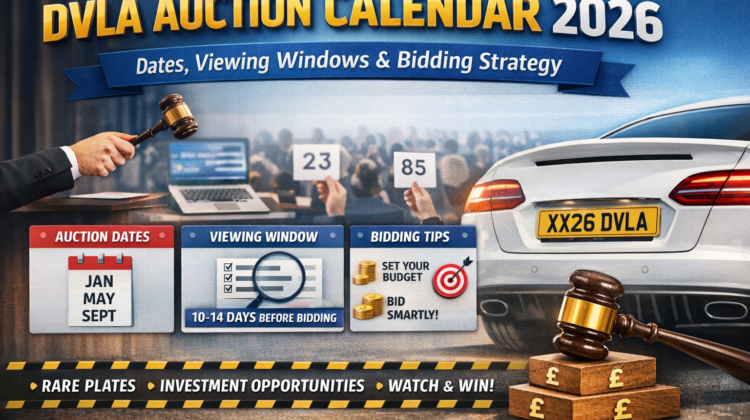
The DVLA’s 2026 auction calendar is shaping up to be one of the most active in recent years, with a strong mix of previously unreleased combinations, returning favourites, and investment‑grade private plates. Whether you’re a seasoned bidder or planning your first auction, understanding the dates, viewing windows, and bidding strategies can make the difference between securing your ideal registration and missing out. This guide breaks down everything you need to know for 2026, along with a proven approach to bidding that consistently delivers results.
DVLA Auction Schedule for 2026
The DVLA typically runs six to eight auctions per year, split between timed online auctions and live‑streamed events. While the DVLA has not yet released the finalised 2026 catalogue, the provisional schedule follows the same pattern seen in recent years.
Expected 2026 Auction Dates
- January 2026 – Timed Online Auction Usually held in the final two weeks of the month, this auction often includes a mix of mid‑range and premium plates, including short dateless combinations.
- March 2026 – Live Online Auction A popular early‑spring event featuring high‑demand initials and short suffix plates.
- May 2026 – Timed Online Auction Typically includes a large catalogue of affordable plates, ideal for first‑time buyers.
- July 2026 – Live Online Auction One of the biggest auctions of the year, often featuring rare and investment‑grade registrations.
- September 2026 – Timed Online Auction A strong mix of personalised and dateless plates, with many combinations released for the first time.
- November 2026 – Live Online Auction The final major event of the year, usually featuring Christmas‑season premium lots.
These dates will be confirmed by the DVLA closer to each event. For the most accurate updates, the DVLA’s official auction portal publishes the confirmed calendar and catalogues as they go live. DVLA Auction Portal
How Viewing Windows Work
Every DVLA auction includes a viewing window, which is the period during which the full catalogue is available to browse before bidding opens. Understanding this window is crucial because it gives you time to research, shortlist, and set your bidding limits.
What to Expect from a Viewing Window
- Catalogue Release The DVLA typically releases the full list of registrations 10–14 days before bidding begins. This includes guide prices, lot numbers, and auction format.
- Guide Prices These are not valuations. They are starting prices only. Many plates sell for two, five, or even ten times the guide price depending on demand.
- Search and Filtering Tools You can filter by initials, themes, numbers, or plate formats. This is the best time to identify hidden gems that others may overlook.
- Research Time Use the viewing window to check whether similar plates have sold recently and at what price. This helps you set realistic expectations.
- Shortlisting Most bidders shortlist between three and ten plates. This gives you fallback options if your first choice goes beyond your budget.
At RegPlates.com, we track DVLA auction catalogues as soon as they are released and highlight the strongest investment opportunities. You can explore our current stock and guides here.
What Sells Best at DVLA Auctions?
While every auction is different, certain categories consistently attract strong bidding:
- Short dateless plates (e.g., A 24 J, 77 AB) These are rare and highly collectible.
- Popular initials (e.g., JON, SAM, TOM, AJ, RS) Initial plates remain one of the most in‑demand categories.
- Names and near‑names (e.g., MEG, K8 TEE, J4 MES) These often exceed guide prices significantly.
- Car‑model plates (e.g., 911, M3, RS6) Always popular with performance‑car owners.
- Word plates (e.g., FAST, BOSS, KING) Rare and often investment‑grade.
If you’re unsure whether a plate is a good investment, our team can help you assess rarity, demand, and long‑term value.
A Bidding Strategy That Works in 2026
The DVLA auction environment has changed in recent years. More bidders, more online participation, and more interest from investors mean that a structured strategy is essential. The following approach is based on patterns seen across dozens of auctions and consistently helps buyers secure plates at sensible prices.
1. Start with a Clear Budget
Decide your maximum bid before the auction begins. This prevents emotional bidding and ensures you don’t exceed what the plate is worth to you. Remember to factor in:
- Buyer’s premium
- VAT
- Assignment fees
- Retention fees (if applicable)
2. Shortlist Multiple Plates
Never enter an auction with only one target. If your first choice goes beyond your limit, you need alternatives. Many successful bidders shortlist:
- One primary plate
- Two secondary plates
- Two or three “value” plates that may sell below expectations
This increases your chances of leaving the auction with something worthwhile.
3. Research Past Sale Prices
Look at previous DVLA auction results to understand typical price ranges. For example:
- A plate with a £300 guide price may regularly sell for £1,000–£2,000.
- Rare initials or short dateless plates can exceed £10,000 even with low guide prices.
Understanding these patterns helps you avoid overpaying.
4. Bid Late, Not Early
In timed auctions, early bidding only drives up the price. The most effective approach is:
- Add the plate to your watchlist
- Wait until the final minutes
- Place your bid strategically
In live auctions, wait until the auctioneer is close to calling the lot before entering the bidding. This prevents unnecessary price inflation.
5. Don’t Chase a Plate Beyond Your Limit
It’s easy to get caught up in the excitement, especially when you’re only a few increments away from winning. But sticking to your limit is essential. There will always be another auction, and another plate.
6. Consider the Investment Angle
Some plates appreciate significantly over time. If you’re buying with investment in mind, look for:
- Short combinations
- Common initials
- Word plates
- Plates with broad appeal (e.g., VIP, ELITE, DRIVE)
These categories tend to hold or increase their value.
7. Use a Professional Bidding Service if Needed
If you’re unable to attend the live bidding window or prefer not to bid yourself, a professional bidding service can handle the process for you. This is especially useful for high‑value or competitive lots.
Why 2026 Is a Strong Year for Buyers
Several trends make 2026 a particularly attractive year for private plate buyers:
- Increased release of previously unavailable combinations The DVLA continues to release new formats and long‑held back combinations.
- Growing interest in personalised registrations More drivers are choosing plates as a form of personal branding.
- Strong investment performance Many plates purchased five to ten years ago have doubled or tripled in value.
- More accessible online auctions The shift to digital formats has made participation easier than ever.
These factors combine to create a competitive but opportunity‑rich environment.
The DVLA Auction Calendar for 2026 offers buyers a strong mix of new releases, rare finds, and investment‑grade registrations. By understanding the auction dates, using the viewing windows effectively, and applying a disciplined bidding strategy, you can dramatically increase your chances of securing the perfect plate at the right price.

Jon Cherry is a Director of leading personalised number plate dealer Regplates.com. Jon has over 25 years industry experience handling some of the most expensive plates ever sold with many high profile and celebrity clients. Active since 1991 in the number plate industry, Jon is currently Chairman of the Cherished Numbers Guild, a trade body representing number plate dealers in the UK. Jon has written many articles on the industry and insight into the future of numberplates and the market as a whole.