
 "Excellent service and fast delivery"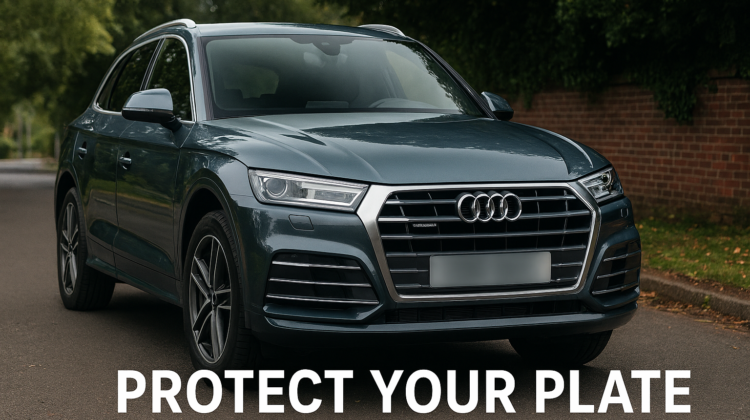
Selling your car online has never been easier. With platforms like Auto Trader, Facebook Marketplace, Gumtree and specialist forums, you can reach thousands of potential buyers in minutes. But with that convenience comes a growing risk: number plate cloning. Criminals increasingly scour online listings for clear, unobstructed images of registration plates, which they then copy onto identical vehicles—or sometimes completely different ones—to commit offences ranging from speeding and congestion charge evasion to fuel theft and more serious crimes.
For legitimate sellers, the challenge is simple: how do you take high‑quality, trustworthy photos of your car without giving plate cloners exactly what they want? This guide explores the privacy angle in detail, offering practical steps to protect yourself while still presenting your vehicle professionally.
Why Number Plate Cloning Is on the Rise
Number plate cloning isn’t new, but it has become far more common in recent years. Several factors contribute to this trend:
- High‑resolution smartphone cameras make it easy for criminals to zoom in on plates from online listings.
- More online marketplaces mean more publicly accessible images of vehicles.
- ANPR (Automatic Number Plate Recognition) cameras are now widespread, making cloned plates a convenient way to avoid detection.
- Low barrier to entry: criminals can order illegal plates from unscrupulous sellers with minimal checks.
According to UK police forces, cloning cases have increased significantly over the past decade, with victims often unaware until they receive penalty notices for offences they didn’t commit. The DVLA provides guidance on what to do if your plate is cloned, but prevention is always better than cure.
The Balancing Act: Privacy vs Buyer Confidence
When photographing your car for sale, you’re trying to achieve two things:
- Build trust by showing the vehicle clearly and transparently.
- Protect your identity and registration details from misuse.
Buyers want to see the car from all angles, including the front and rear. They expect honesty, and hiding too much can raise suspicion. But showing your full registration plate in crisp detail is an open invitation to cloners.
The solution lies in controlled visibility—showing enough to reassure buyers while obscuring the plate in a way that looks professional and intentional.
Smart Ways to Photograph Your Car Without Exposing Your Plate
1. Use a Plate Cover or Temporary Mask
The simplest and most effective method is to cover your plates before taking photos. You can use:
- A magnetic plate cover
- A piece of card cut to size
- A temporary printed plate with “FOR SALE”
- A branded cover (ideal for dealers)
This approach looks clean and avoids any suspicion that the plate has been digitally altered.
2. Blur or Pixelate the Plate Digitally
If you’ve already taken photos or prefer not to cover the plate physically, digital editing works well. Most smartphones now include built‑in tools to blur or pixelate parts of an image.
The key is to make the edit look deliberate and tidy. Avoid scribbling over the plate with a drawing tool—it looks unprofessional and may put buyers off.
3. Use Angles That Don’t Fully Expose the Plate
Some shots—such as interior photos, wheel close‑ups, or side profiles—don’t need to show the plate at all. For exterior shots, you can use:
- Slight off‑centre angles
- Shadows or reflections
- Cropping to remove the plate area
This reduces the number of images where the plate is visible, even if you choose to show it in one controlled shot.
4. Show the Plate Only Once (If You Choose to Show It at All)
Some sellers prefer to show the plate in one image to reassure buyers that the car is legitimate. If you choose this route:
- Use a lower‑resolution image for the plate shot.
- Avoid close‑ups.
- Add a watermark across the plate area.
- Ensure the rest of your photos are plate‑free.
This balances transparency with protection.
Should You Show the Plate at All?
This is a common debate among private sellers. There are two schools of thought:
The “Show It” Approach
Pros:
- Builds trust with buyers.
- Allows buyers to run MOT and tax checks.
- Helps buyers confirm the car’s identity.
Cons:
- Exposes you to cloning.
- Makes your listing more attractive to criminals.
The “Hide It” Approach
Pros:
- Maximum privacy and protection.
- Prevents cloning from your listing.
Cons:
- Some buyers may be cautious.
- You may receive more messages asking for the plate.
A good compromise is to hide the plate in photos but provide it privately to genuine buyers who message you. This keeps your listing safe while still enabling due diligence.
How to Keep Your Listing Professional While Protecting Your Plate
Buyers judge listings quickly, so presentation matters. Here’s how to maintain a polished, trustworthy appearance:
- Use consistent, high‑quality lighting.
- Photograph the car in a clean, open space.
- Keep the camera steady and avoid reflections that reveal personal details.
- Ensure your plate cover or blur is neat and uniform across all images.
- Include a note in your description explaining why the plate is hidden.
A simple line such as “Registration plate hidden in photos for security—happy to provide it to genuine buyers on request” reassures buyers and shows you’re acting responsibly.
Additional Privacy Tips When Photographing Your Car
Number plates aren’t the only privacy concern. When preparing your listing:
- Remove personal items from the interior.
- Check reflections in windows and bodywork for house numbers, faces, or other identifiable details.
- Avoid photographing your driveway if it reveals your home location.
- Turn off location metadata (EXIF data) on your phone’s camera.
These small steps help prevent unwanted exposure of your personal information.
Why Criminals Target Online Listings
Understanding the motivation behind plate cloning helps reinforce why caution is essential. Criminals use cloned plates to:
- Avoid speeding fines and congestion charges
- Commit fuel theft (“bilking”)
- Evade ANPR cameras
- Facilitate more serious crimes such as burglary or drug trafficking
Once your plate is cloned, you may face:
- Penalty notices
- Police visits
- Insurance complications
- Stress and administrative hassle
The DVLA advises reporting suspected cloning immediately and working with the police to resolve the issue.
How RegPlates.com Helps Protect Drivers
As a DVLA‑registered supplier, RegPlates.com is committed to promoting safe and responsible number plate use. Our guides on number plate security and legal display requirements help drivers stay compliant while protecting themselves from fraud.
We also advocate for stronger enforcement against illegal plate sellers and improved public awareness of cloning risks.
Useful External Resource
For official guidance on what to do if your plate is cloned, the UK government provides a clear overview here: https://www.gov.uk/report-clone-number-plates
This page explains how to report the issue, what evidence you may need, and how the DVLA handles cloned plate cases.
Selling your car online doesn’t have to mean compromising your privacy. With a few simple precautions—covering your plates, editing images carefully, controlling angles, and being mindful of reflections—you can create a professional, trustworthy listing that protects you from number plate cloning.
The key is to strike the right balance: show enough to reassure buyers, but not enough to help criminals. As cloning continues to rise, taking these steps is no longer optional—it’s essential.
Jon Cherry is a Director of leading personalised number plate dealer Regplates.com. Jon has over 25 years industry experience handling some of the most expensive plates ever sold with many high profile and celebrity clients. Active since 1991 in the number plate industry, Jon is currently Chairman of the Cherished Numbers Guild, a trade body representing number plate dealers in the UK. Jon has written many articles on the industry and insight into the future of numberplates and the market as a whole.