

Keeping it Clean on the Streets DVLA Bans Offensive Personalised Number Plates as New Designs Roll Out
Reg Plates ArticleChoose a first letter to see two-letter combinations
Keeping it Clean on the Streets DVLA Bans Offensive Personalised Number Plates as New Designs Roll Out
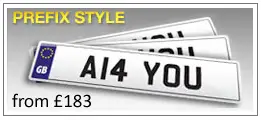
The UK's Driver and Vehicle Licensing Agency (DVLA) is cracking down on potentially offensive personalised number plates once again. This comes as a new series of registrations, due for release next month, unveils fresh design options for drivers. To maintain a civil atmosphere on the roads, the DVLA has compiled a list of combinations that won't be making it onto vehicles.
Unveiled through a Freedom of Information request, this banned list sheds light on the agency's efforts to strike a balance between freedom of expression and public decorum. Let's delve deeper into the reasons behind these restrictions and explore the types of plates that won't be cruising the streets.
Why Ban Certain Plates?
The DVLA shoulders the responsibility of maintaining a polite and respectful environment on the roads. Personalised number plates, prominently displayed on vehicles, can become a source of amusement, annoyance, or even offense. To prevent this, the agency enforces a set of guidelines that restrict the issuance of plates containing:
Offensive language: This includes swear words, derogatory terms, and phrases deemed generally objectionable.
References to violence or crime: Plates that glorify violence, promote illegal activities, or make light of criminal acts are strictly prohibited.
Sexual innuendo: Combinations that could be interpreted as sexually suggestive are not allowed.
Racist or discriminatory content: Plates containing ethnic slurs or references that promote hatred or prejudice are off limits.
Political or religious statements: While the DVLA respects freedom of expression, license plates are not intended for political campaigning or religious proselytization.
These restrictions ensure that our roadways remain a neutral and inclusive space for everyone.
What Didn't Make the Cut?
The latest banned list includes a variety of combinations that the DVLA deemed inappropriate. Some examples include:
BE74 END, BL74 WJB, BO74 CCK, and BU74 SHT: These seemingly random letter sequences might appear innocuous at first glance, but when pronounced phonetically, they spell out offensive words.
ST74 BER, TT74 WAT, and WW74 NKZ: Similar to the previous examples, these combinations create offensive phrases when spoken aloud.
S74 ABU, S74 BBR, W74 NKR, and W74 NKS: These short sequences, though not immediately clear, could be interpreted as insults or offensive abbreviations.
It's important to note that these are just a few examples, and the DVLA maintains a comprehensive list of banned combinations.
Striking a Balance: Freedom vs. Responsibility
The DVLA's decision to restrict certain license plates has sparked some debate. Proponents of the ban argue that it's essential to maintain a respectful and inclusive environment on the roads. Offensive plates can be upsetting or intimidating to other drivers, especially vulnerable road users like cyclists and pedestrians.
On the other hand, some argue that the ban restricts freedom of expression. They believe that individuals should have the right to personalize their vehicles, even if the chosen plate pushes boundaries a little.
The DVLA strives to find a middle ground. Their approach acknowledges the right to personalize one's vehicle while prioritizing public comfort and decency. The agency also points out that there are still plenty of combinations available within the new design format, allowing motorists to choose plates that reflect their personality without resorting to offensive language or references.
Beyond the Ban: What Options Do Drivers Have?
The release of new registration designs often sparks a surge in demand for personalized plates. While some options are banned, there are still numerous ways for drivers to add a touch of individuality to their vehicles.
Here are some alternatives to consider:
Initials and numbers: A classic choice, combining initials with birth years or memorable numbers can create a unique and personal plate.
Location references: Some drivers choose plates that represent their hometown, favourite sports team, or a place that holds special meaning.
Memorable phrases: Using initials or numbers creatively can form short, catchy phrases that are both personal and inoffensive.
For those seeking a truly unique plate, there's always the option of acquiring a cherished reg transfer. These are pre-existing plates with specific letter and number combinations that can be purchased from DVLA-approved sellers. However, these can be quite expensive depending on the combination's rarity and memorability.
Keeping Our Roads Respectful
The DVLA's ban on certain license plates reflects their commitment to maintaining a polite and inclusive atmosphere on UK roads. While some may view it as a restriction of freedom, the agency's efforts ensure that everyone feels comfortable and respected while sharing the road. With a vast array of alternative personalisation options available, drivers can still express themselves on their favourite ride!
So what are the top selling number plates in the UK? The DVLA has been selling private plates to UK motorists since 1989. During this time, there have been a number of records set, but most of the top 10 have been bought in the past 15 years. Here’s what currently makes the list:
- 25 0 – A Ferrari dealer bought this for £518k in 2014. It is now on a £10 million Ferrari 250 SWB.
- F 1 – A businessman, Afzal Khan, bought this for £440k in 2008 and put it on his McLaren-Mercedes SLR.
- S 1 – This was bought in 2008 for £404k by an anonymous buyer.
- 1 D – Businessman Nabil Bishara bought this plate in 2009 (before One Direction was formed, so it is not a reference to the band) for £352k.
- M 1 – Businessman Mike McCoomb bought this number plate in 2006 for £331k, apparently for his son, who was 10 at the time.
- VIP 1 – Chelsea owner and businessman Roman Abramovich bought this plate for £285k in 2006.
- 51 NGH – This number plate, which looks like the surname Singh, was sold in 2006 for £254k.
- 1 RH – Businessman Robert Haverson bought this in 2006 for £247k.
- K1 NGS – This reg plate, which looks like the word “kings”, was bought anonymously in 1993 for £231k.
- 1 0 – This very simple but striking number plate was bought anonymously in 2009 for £170k.
These are large amounts of money, but they are all small compared to the top-selling number plates found in other parts of the world. Abu Dhabi, in the UAE, has the record for the most expensive number plate ever sold. That number plate was a simple “1”. It was bought in 2008 by businessman Saeed Abdul Ghaffar Khouri for £7.25 million.

- FREE TRANSFER SERVICE - your paperwork is handled by our trained team
- OVER 30 YEARS EXPERTISE - long established and trusted company
- DVLA RECOGNISED RESELLER - linked directly from the DVLA website
- TRADE ASSOCIATION MEMBERS - MIRAD and CN Guild members