

Agnlesey Rare Number Plate Sells For High Price
Reg Plates ArticleChoose a first letter to see two-letter combinations
Agnlesey Rare Number Plate Sells For High Price
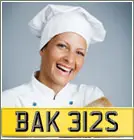
A vehicle registration which belonged to the seventh car ever registered on Anglesey more than a century ago has been sold for almost £40,000 at auction.
The EY 7 number dates back to 1903 and bears the island’s designated EY county registration code, which was commonplace on Anglesey number plates before they were phased out in 2001.
The sale, which was held at Morgan Evans’ auction house at Gaerwen on Thursday, garnered unprecedented interest, according to company director Simon Jones.
“It garnered a lot of interest as it belonged to only the seventh car that was ever registered on Anglesey, which was in 1903 when there were were hardly any cars on the roads at all,” he said.
“The guide price was between £20,000 to £25,000, but it’s telling of the amount of interest there was that the eventual sale price was much higher.
“The plate has been held by a family from the island all this time, and it’s nice to see it stay here, having been bought by a local businessman.”
EY 7 was not the only plate that went under auctioneer Simon Bower’s hammer.
Until the practice was scrapped 16 years ago, the last two letters on number plates usually indicated where the car was initially registered.
At last week’s auction, 10 AEY sold for £5,100, 4 AEY sold for £5,000, 77 REY sold for £3,800, and 17 OEY sold for £3,700.
Mr Jones added: “All the plates were sold to local buyers, with the auction house packed to the rafters.
“The EY 7 plate is a particularly unusual item, and not something we come across often at all.
“But such is the interest this time around, we hope to try to source some more.”
So what are the top selling number plates in the UK? The DVLA has been selling private plates to UK motorists since 1989. During this time, there have been a number of records set, but most of the top 10 have been bought in the past 15 years. Here’s what currently makes the list:
- 25 0 – A Ferrari dealer bought this for £518k in 2014. It is now on a £10 million Ferrari 250 SWB.
- F 1 – A businessman, Afzal Khan, bought this for £440k in 2008 and put it on his McLaren-Mercedes SLR.
- S 1 – This was bought in 2008 for £404k by an anonymous buyer.
- 1 D – Businessman Nabil Bishara bought this plate in 2009 (before One Direction was formed, so it is not a reference to the band) for £352k.
- M 1 – Businessman Mike McCoomb bought this number plate in 2006 for £331k, apparently for his son, who was 10 at the time.
- VIP 1 – Chelsea owner and businessman Roman Abramovich bought this plate for £285k in 2006.
- 51 NGH – This number plate, which looks like the surname Singh, was sold in 2006 for £254k.
- 1 RH – Businessman Robert Haverson bought this in 2006 for £247k.
- K1 NGS – This reg plate, which looks like the word “kings”, was bought anonymously in 1993 for £231k.
- 1 0 – This very simple but striking number plate was bought anonymously in 2009 for £170k.
These are large amounts of money, but they are all small compared to the top-selling number plates found in other parts of the world. Abu Dhabi, in the UAE, has the record for the most expensive number plate ever sold. That number plate was a simple “1”. It was bought in 2008 by businessman Saeed Abdul Ghaffar Khouri for £7.25 million.
- FREE TRANSFER SERVICE - your paperwork is handled by our trained team
- OVER 30 YEARS EXPERTISE - long established and trusted company
- DVLA RECOGNISED RESELLER - linked directly from the DVLA website
- TRADE ASSOCIATION MEMBERS - MIRAD and CN Guild members