
 "Excellent service and fast delivery"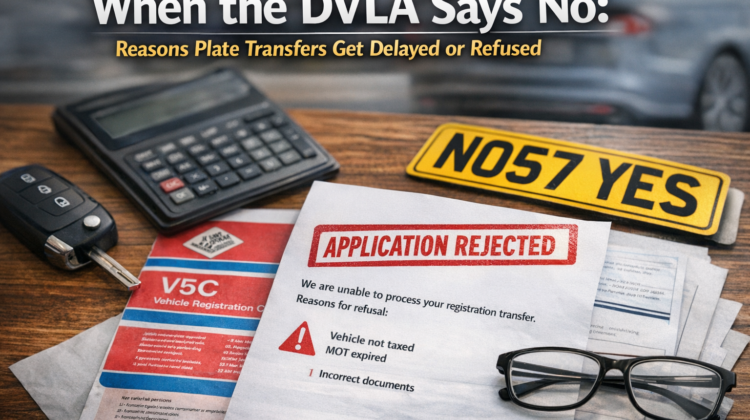
Private number plates are one of the simplest ways to personalise a vehicle, protect its identity, or add a touch of prestige. But while most plate transfers go through smoothly, there are occasions when the DVLA steps in with a delay — or an outright refusal.
For motorists, this can be frustrating, especially when a transfer is time‑sensitive or linked to a vehicle sale. Understanding the most common reasons behind DVLA delays or refusals can help you avoid unnecessary setbacks and ensure your transfer is processed as quickly as possible.
Below, we break down the key issues that cause DVLA complications, how to prevent them, and what to do if your application hits a roadblock.
1. Vehicle Not Taxed or MOT’d
One of the most frequent causes of transfer delays is a vehicle that isn’t correctly taxed or MOT’d. The DVLA requires the receiving vehicle to meet certain roadworthiness standards before a plate can be assigned.
The DVLA will not complete a transfer if:
- The vehicle has no valid MOT (if it’s over 3 years old)
- The vehicle is untaxed
- The vehicle has been declared SORN
Even if the plate is being transferred off a vehicle, the same rules apply — the donor vehicle must be taxed and MOT’d unless it has been declared off-road continuously since 1998.
How to avoid this delay
Before submitting your application, double‑check the vehicle’s MOT and tax status using the DVLA’s official checker: https://www.gov.uk/check-mot-status
2. Vehicle Condition Issues or Inspection Requirements
Sometimes the DVLA requests a physical inspection of the vehicle before approving a transfer. This usually happens when there are discrepancies in the vehicle’s identity or history.
Common triggers for DVLA inspections include:
- VIN (chassis number) inconsistencies
- Recent major repairs or rebuilds
- Imported vehicles with incomplete documentation
- Vehicles recorded as insurance write-offs
- Vehicles that have been off the road for long periods
If an inspection is required, the transfer will be paused until the DVLA completes its checks. This can add days or even weeks to the process.
How to avoid this delay
Ensure all vehicle documents match the VIN and engine number. If the vehicle has undergone significant work, keep receipts and evidence of repairs.
3. Incorrect or Missing Documentation
Paperwork errors are another common reason for DVLA delays. Even small mistakes can cause an application to be rejected.
Typical documentation issues include:
- Missing V5C logbook
- Incorrect keeper details
- Outdated address information
- Unsigned forms
- Using an old version of the V317 transfer form
If the DVLA cannot verify the keeper or vehicle details, the transfer will not proceed.
How to avoid this delay
Make sure you have the correct, up‑to‑date V5C and that all details match exactly. If you’ve recently purchased the vehicle, wait until the updated V5C arrives before applying.
4. Trying to Make the Vehicle Look Newer
The DVLA has strict rules preventing number plates from being used to make a vehicle appear newer than it is. This is one of the most common reasons for outright refusal.
For example:
- You cannot assign a 2020‑style plate to a 2015 vehicle
- You cannot assign a ’72’ plate to a ’19’ vehicle
This rule applies to all transfers, whether the plate is personalised, dateless, or cherished.
How to avoid this refusal
Check the age identifier of the plate before purchasing. RegPlates.com provides clear guidance on plate age rules, and our team can confirm compatibility before you buy.
5. Outstanding Finance or Insurance Write-Off Status
If a vehicle is subject to outstanding finance, the DVLA may delay the transfer until the finance company confirms the vehicle’s status. Similarly, vehicles recorded as Category A or B write-offs cannot have plates transferred to or from them.
Category rules at a glance:
| Category | Can Transfer Plate? | Notes |
| A | ❌ No | Vehicle must be crushed |
| B | ❌ No | Body shell must be crushed |
| S/N | ✔ Yes | Allowed if repaired and roadworthy |
How to avoid this delay
If the vehicle is financed, contact the lender before applying. If the vehicle has been written off, check its category status on the V5C or via an HPI check.
6. DVLA Processing Backlogs
Sometimes the issue isn’t with the vehicle or paperwork at all — it’s simply DVLA workload. Peak periods, staff shortages, or postal delays can slow down processing times.
Typical backlog triggers include:
- Seasonal peaks (e.g., March and September plate changes)
- Postal strikes
- DVLA system maintenance
- High volumes of online applications
While frustrating, these delays are usually temporary.
How to avoid this delay
Apply online where possible — digital applications are typically processed faster than postal ones.
7. Plate Not on Retention or Incorrectly Assigned
If the plate you’re trying to transfer is not currently on retention or assigned to a vehicle, the DVLA will refuse the transfer.
Common issues include:
- Expired retention certificates
- Incorrect nominee details
- Plate still registered to a previous keeper
- Plate never properly assigned after purchase
How to avoid this delay
Check your retention certificate (V778) or assignment certificate (V750) for:
- Validity dates
- Correct nominee name
- Correct plate number
If anything is incorrect, it must be updated before applying.
8. Mismatched Keeper Details
If the name on the V5C does not match the name on the retention certificate or transfer application, the DVLA will pause or reject the transfer.
This often happens when:
- A vehicle has recently changed hands
- A business name differs from a personal name
- A middle name or initial is missing
- A plate was purchased for someone else
How to avoid this delay
Ensure the nominee name on the certificate matches the V5C keeper name exactly. If buying a plate for someone else, add them as the nominee before applying.
9. Suspicion of Fraud or Identity Issues
The DVLA takes identity fraud seriously. If anything about the application raises red flags, the transfer will be halted while further checks are carried out.
Potential triggers include:
- Suspicious payment activity
- Multiple rapid transfers
- Inconsistent vehicle history
- Unusual keeper changes
These cases are rare but can cause significant delays.
Internal Links for Further Guidance
If you’re planning a transfer or want to avoid common pitfalls, these resources from RegPlates.com can help:
Final Thoughts: How to Keep Your Transfer Smooth
Most DVLA delays are avoidable with a little preparation. Before submitting your application, make sure:
- Your vehicle is taxed and MOT’d
- Your documents are accurate and up to date
- The plate is age‑appropriate
- Any retention certificates are valid
- Keeper details match exactly
At RegPlates.com, we handle thousands of transfers every year and can guide you through the process to minimise delays and ensure compliance. If the DVLA does say no, we’ll help you understand why — and what to do next.

Jon Cherry is a Director of leading personalised number plate dealer Regplates.com. Jon has over 25 years industry experience handling some of the most expensive plates ever sold with many high profile and celebrity clients. Active since 1991 in the number plate industry, Jon is currently Chairman of the Cherished Numbers Guild, a trade body representing number plate dealers in the UK. Jon has written many articles on the industry and insight into the future of numberplates and the market as a whole.


