
 "Excellent service and fast delivery"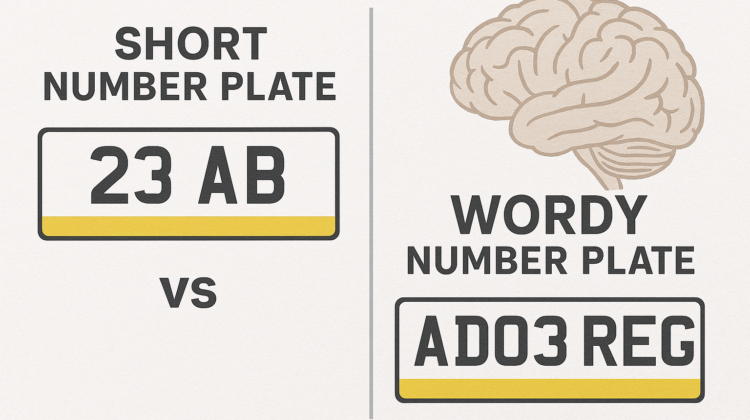
Number plates are more than just identifiers for vehicles—they are cultural symbols, status markers, and in many cases, personal statements. At Regplates.com, we’ve seen how the psychology of readability plays a crucial role in shaping buyer preferences. Short plates often carry a premium allure, while longer, wordier plates appeal to those seeking personalisation and storytelling. But why do certain patterns feel more “premium” to buyers? Let’s explore the psychology behind short vs. wordy number plates.
The Allure of Short Plates
Short number plates—those with fewer characters, often two to four—are highly sought after. Their appeal lies in several psychological factors:
- Simplicity: Short plates are easy to read and process. The human brain favours simplicity, and fewer characters reduce cognitive load.
- Distinctiveness: A short plate stands out in traffic. Its rarity makes it instantly recognizable, which buyers equate with exclusivity.
- Status Symbol: Much like luxury watches or designer clothing, short plates signal wealth and prestige. Their scarcity drives demand.
- Timelessness: Short plates often feel classic. They resist trends and remain desirable across generations.
Example: The Premium Effect
Consider a plate like “A 1” or “JON 1.” These instantly convey uniqueness. Buyers perceive them as premium because they are rare, easy to recall, and visually striking.
The Appeal of Wordy Plates
Wordy plates—those spelling out names, phrases, or longer sequences—tap into a different psychological need: personalization.
- Identity Expression: Wordy plates allow owners to showcase their personality, profession, or passions. For example, “RAC 3R” or “FAS 73R.”
- Narrative Depth: Longer plates tell a story. They connect vehicles to cultural identity, hobbies, or milestones.
- Accessibility: Wordy plates are often more affordable than ultra-short plates, making them accessible to a wider audience.
- Playfulness: They invite creativity. Buyers enjoy crafting witty or meaningful combinations.
Example: The Storytelling Effect
A plate like “REG 123” is very visually appealing and resonates with someone named Reg or a business called Reg’s Garage. Wordy plates create emotional connections that short plates can lack.
Readability Psychology: Why Patterns Matter
The psychology of readability explains why certain plate patterns feel premium:
- Cognitive Fluency: Short plates are processed faster by the brain. This fluency creates a sense of ease and desirability.
- Visual Balance: Plates with fewer characters often look more symmetrical and aesthetically pleasing.
- Memory Retention: Short sequences are easier to remember. Buyers value plates that stick in the mind.
- Scarcity Principle: The rarity of short plates amplifies their perceived value.
Wordy plates, meanwhile, appeal to emotional psychology:
- Personal Relevance: Longer plates connect directly to the buyer’s identity.
- Social Signalling: They communicate hobbies, professions, or affiliations.
- Humour and Creativity: Wordy plates often spark joy through clever wordplay.
Market Trends: Premium Pricing and Buyer Behaviour
The market reflects these psychological dynamics:
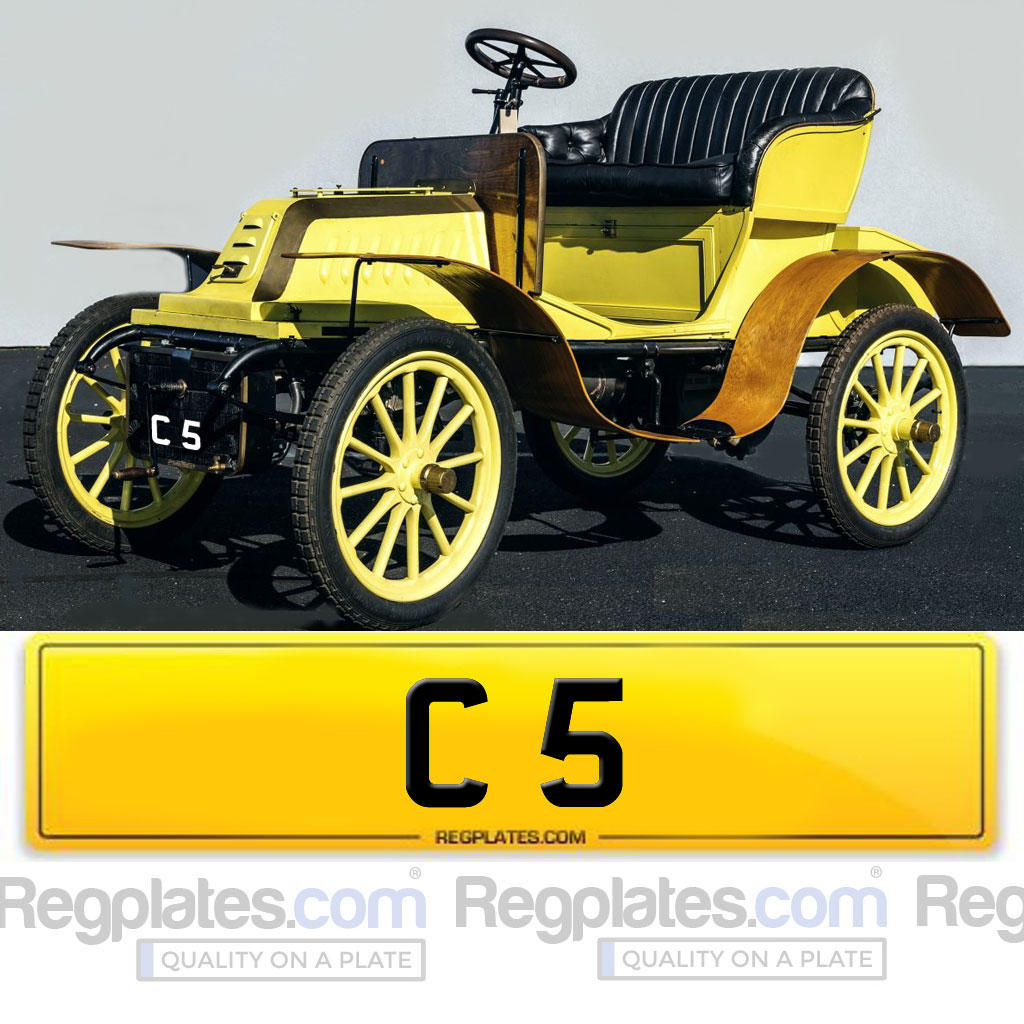
- Short Plates Command Higher Prices: Auctions consistently show that plates like “C 5” or “VIP 1” can fetch hundreds of thousands of pounds.
- Wordy Plates Offer Accessibility: Plates spelling names or phrases are more affordable, appealing to everyday buyers.
- Hybrid Plates: Some plates blend shortness with meaning, such as “SAR 1.” These balance exclusivity with personalization.
Cultural Significance of Plate Length
Plate length also intersects with cultural identity:
- Heritage Plates: Short plates often carry historical weight, linking back to early registration systems.
- Modern Creativity: Wordy plates reflect contemporary culture, memes, and digital-age humour.
- Regional Preferences: In some regions, short plates are prized for prestige, while in others, wordy plates dominate for personalization.
Buyer Psychology in Action
Imagine two buyers:
- Buyer A: Seeks prestige. They want a short, rare plate like “L 11.” Their motivation is status and exclusivity.
- Buyer B: Seeks personalization. They choose “MUS 1C” to reflect their passion. Their motivation is identity and storytelling.
Both buyers are satisfied, but for different psychological reasons.
Practical Considerations
When choosing between short and wordy plates, buyers should consider:
- Budget: Short plates are premium-priced. Wordy plates are more affordable.
- Purpose: Is the plate for prestige, branding, or personal expression?
- Longevity: Short plates retain value over time. Wordy plates may be more trend-sensitive.
- Availability: Scarcity means short plates are harder to acquire.
Internal and External Resources
For those exploring options:
- Visit Regplates.com’s search page to find available plates.
- Learn more about buying cherished number plates.
- Check official guidance at the DVLA.
The Psychology of Premium Patterns
Short vs. wordy number plates reflect two sides of buyer psychology: exclusivity and personalisation. Short plates feel premium because they are rare, simple, and cognitively fluent. Wordy plates resonate because they tell stories, express identity, and invite creativity. Both have their place in the market, and both enrich the cultural tapestry of motoring.
At Regplates.com, we celebrate this diversity. Whether you’re seeking the prestige of a two-character plate or the joy of a witty phrase, the psychology of readability ensures that your choice will feel meaningful—and perhaps even premium—in its own way.
Jon Cherry is a Director of leading personalised number plate dealer Regplates.com. Jon has over 25 years industry experience handling some of the most expensive plates ever sold with many high profile and celebrity clients. Active since 1991 in the number plate industry, Jon is currently Chairman of the Cherished Numbers Guild, a trade body representing number plate dealers in the UK. Jon has written many articles on the industry and insight into the future of numberplates and the market as a whole.


